

Efflorescence removal for concrete, block and pavers
That white, chalky bloom on your concrete or block wall is mineral salt, not mold, and pressure alone will not clear it. We dissolve it, neutralize the surface and help you stop it from returning.
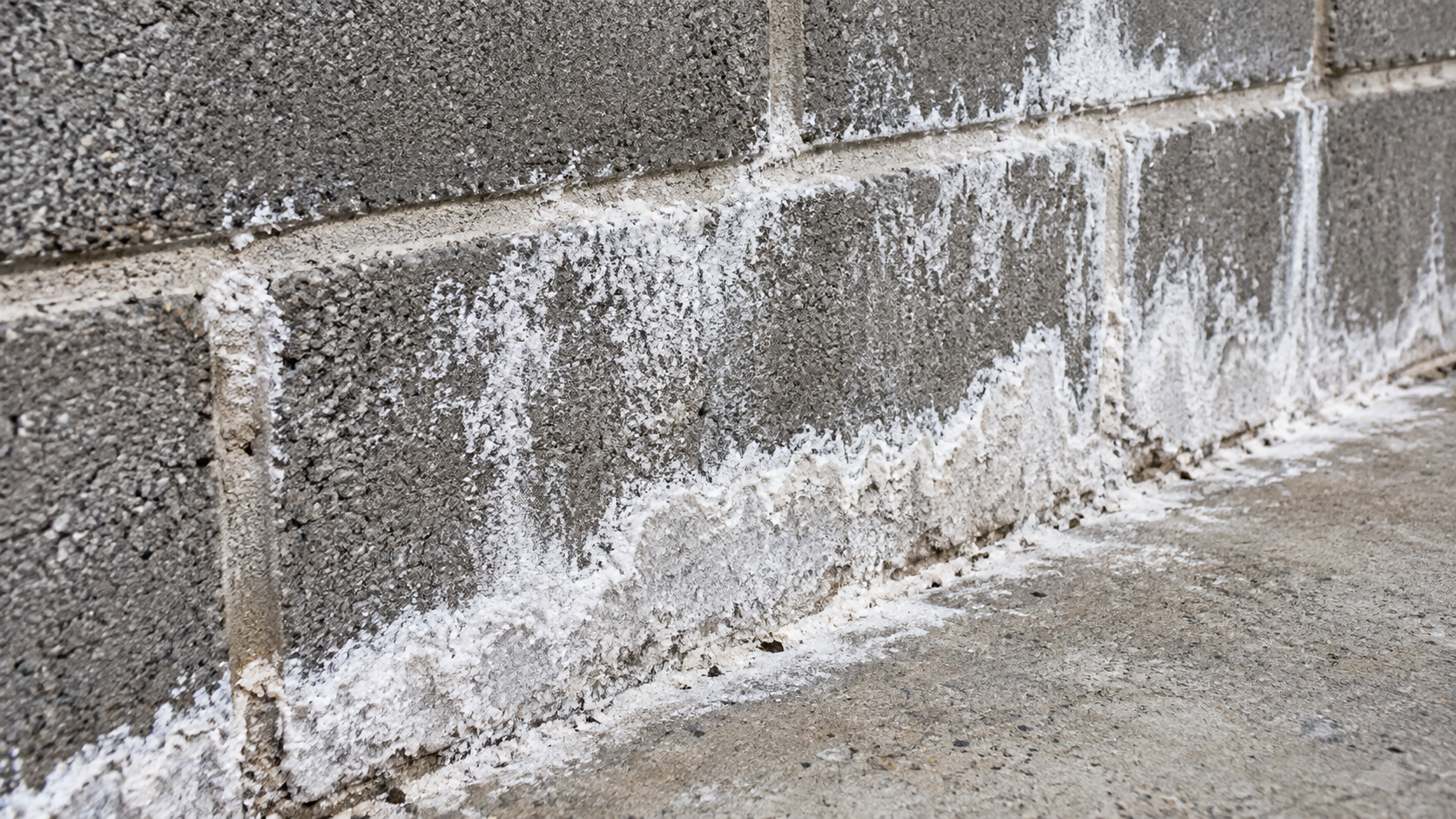 Efflorescence removal on a block wall, Boulder County
White powder on concrete means water is moving through it. We clear it and tell you why it is there.
Efflorescence happens when water travels through concrete, block or mortar, dissolves the natural salts inside, and carries them to the surface. When the water evaporates the salts stay behind as a white, powdery or crusty deposit. It is common on new concrete in its first year, on retaining walls and basement walls, on pavers, and anywhere sprinklers hit a wall every morning.
Pressure washing just spreads it around. The deposits have to be dissolved with the right cleaner, rinsed, and the surface neutralized. Then the real fix is reducing the water moving through the concrete, which is usually a sprinkler head, a drainage issue, or an unsealed surface.
Where we see efflorescence most
- New concrete driveways, patios and walls in their first year or two
- Block and brick retaining walls, especially where soil sits behind them
- Pavers and paver joints that stay damp
- Stucco and block walls hit by sprinklers
- Basement and foundation walls with moisture behind them
- Stamped and colored concrete, where the white haze hides the color
On colored or stamped concrete we treat efflorescence more gently, with a test spot first, since harsh acids can lighten the color along with the deposits.
What efflorescence removal includes
The same steps whether it is a new patio in Windsor or a block wall along a parking lot in Arvada.
- Source assessmentWe look for where the water is coming from, because removal without addressing the source is temporary.
- Dry removal firstLoose deposits are brushed or vacuumed off dry so the cleaner can work on what is bonded.
- Efflorescence cleanerA cleaner designed for mineral deposits dissolves the bloom without etching the surface.
- Test spot on finished surfacesColored, stamped or stained concrete gets a test spot before any product goes on.
- Rinse and neutralizeEverything is rinsed and the surface is neutralized so no cleaner keeps working after we leave.
- Sealing recommendationA breathable sealer slows water movement and keeps new deposits from forming. We quote it if it fits.
Why efflorescence shows up so much on the Front Range
Our climate pulls moisture out of concrete fast. Dry air and sun wick water to the surface and evaporate it quickly, which leaves salts behind at a higher rate than a humid climate ever would. Winter adds magnesium chloride and other deicer salts to the mix.
The combination of new construction, sprinkler heavy landscaping and dry air means almost every neighborhood from Fort Collins to Littleton has a white haze somewhere.
- Fast evaporationDry air and high altitude sun evaporate water from concrete quickly, leaving more salt on the surface.
- SprinklersA sprinkler head hitting a wall every morning is the single most common source we find.
- Deicer saltsWinter deicers add salts that come back out of the concrete in spring as a white film.
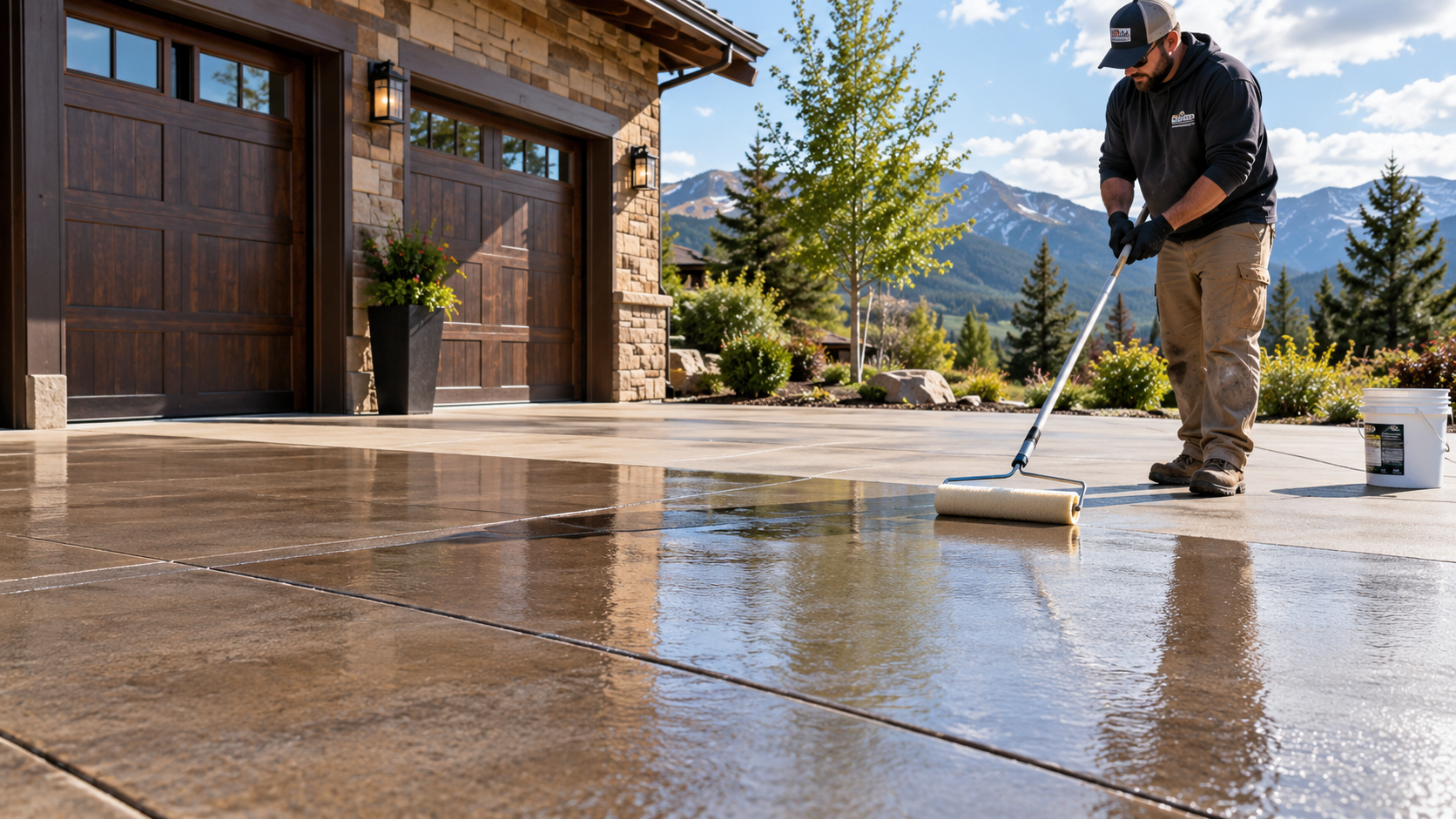
How efflorescence removal goes
Four steps, usually finished in a single visit.
Photo and quote
Text a photo of the deposits and the surrounding area. We will usually spot the water source from the picture.
Dry removal and test
Loose deposits are cleared dry and a test spot confirms the cleaner is safe for the surface.
Dissolve and rinse
The cleaner is applied with dwell time, then rinsed and neutralized.
Source and sealing advice
We show you where the water is coming from and quote a breathable sealer if it makes sense.
Efflorescence questions
The things people ask before they book. If yours is not here, text us a photo and ask.
If water keeps moving through the concrete, yes. That is why we point out the source, usually a sprinkler or drainage issue, and recommend a breathable sealer. Fix the water and seal the surface and it stays gone.
Pressure spreads the deposits and pushes water back into the surface, which makes more efflorescence. It needs to be dissolved with the right cleaner, then rinsed and neutralized.
On its own, no. It is a cosmetic mineral deposit. It does tell you water is moving through the concrete, and over time that moisture is what causes spalling and freeze damage, so it is worth addressing.
Often, in the first year or two as the slab finishes curing and releasing moisture. It usually fades, but it can be cleaned any time and a sealer speeds that up.
Harsh acids can. We use a gentler cleaner on finished surfaces and always test a small spot first. If there is any risk to the color you will hear it from us before we continue.
Services that go with it
Efflorescence removal usually pairs with one of these.
Efflorescence removal near you
Based in Berthoud and working across Boulder, Larimer and Jefferson counties.
Boulder County
Larimer County
Not on the list? We take on jobs just outside these counties too. Send us the address and we will tell you quickly. All service areas
Get an efflorescence removal quote by text, call or this form
A photo of the deposits and the surrounding area gets you the fastest answer. We will tell you what is causing it and what to expect.
Request a free quote
We reply by text or email, usually the same day.
Residential and commercial. Serving Boulder, Jefferson and Larimer counties.